Hospital
Surgery under general anesthesia, then one to two nights in an accredited hospital with nursing care. Dressings and drains are managed for you; most patients describe tightness rather than pain.
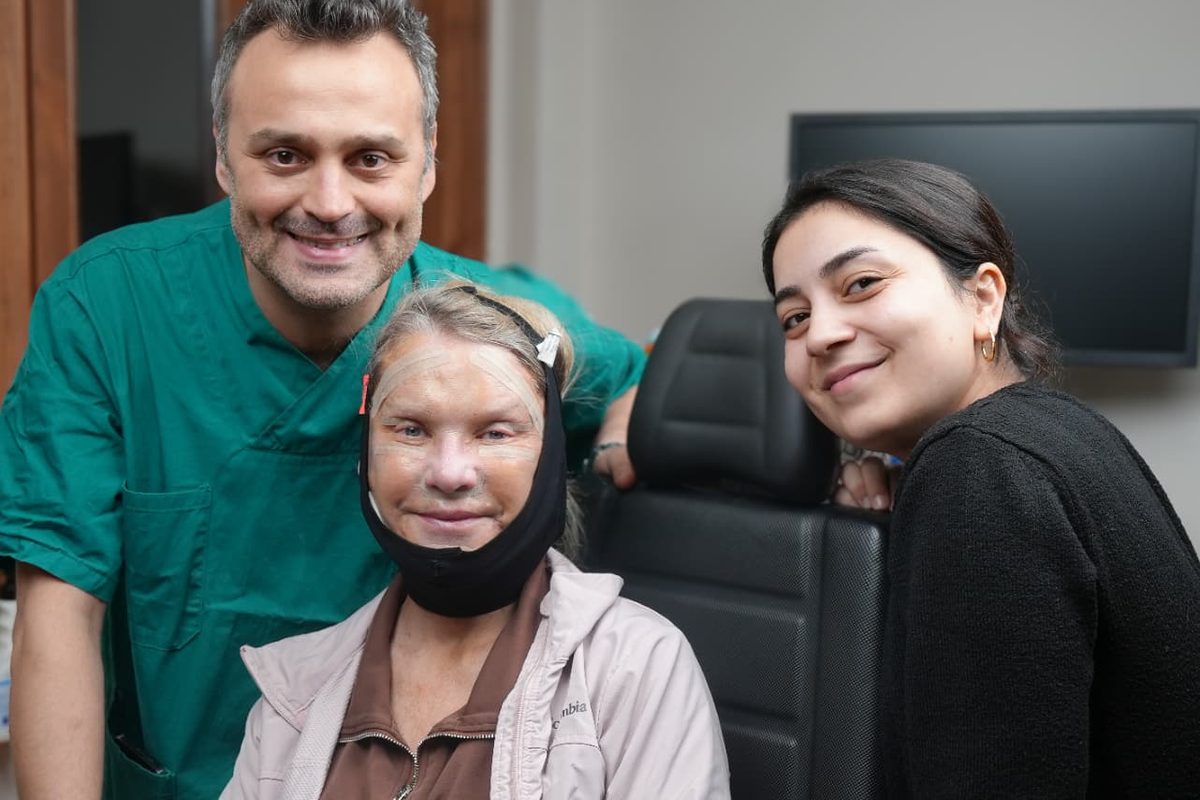
Plan for 8–10 nights in Istanbul: one to two nights in hospital, the rest recovering in your hotel, with most patients cleared to fly home around day 7–10. Here is the full timeline, what aftercare includes, and when normal life resumes. Deep plane recovery runs at the longer end of every window below, because the dissection is deeper and the lift is structural.
Medically reviewed by Dr. Safa Manav, MD, FEBOPRAS, Facial Rejuvenation Plastic Surgeon · Last reviewed August 2026

Surgery under general anesthesia, then one to two nights in an accredited hospital with nursing care. Dressings and drains are managed for you; most patients describe tightness rather than pain.
You move to your hotel with a medication kit and written instructions. Swelling and bruising peak around day 3–4, then settle. Short walks, head elevated, no bending or lifting.
Your surgeon removes stitches, checks healing and confirms fit-to-fly clearance. Most patients fly home within this window with a written aftercare plan.
Residual swelling fades and most patients return to work and social life. Your surgeon reviews recovery photographs remotely at set milestones.
Exercise and normal activity resume with your surgeon's approval. Scars continue to soften and fade over the following months; final refinement takes up to a year.
Recovery speed varies with technique: mini facelifts sit at the faster end, SMAS in the middle, and deep plane procedures toward the fuller end because the dissection is deeper.
Four short steps — procedures, surgeon credentials, hotel and transfer, then your details. One all-inclusive written quote that includes the full aftercare plan above.
Plan for 8–10 nights. Most patients are cleared to fly home around day 7–10 after a SMAS or deep plane facelift, once stitches are out and your surgeon confirms fit-to-fly clearance. Mini facelift patients often fly a day or two earlier.
Most patients feel comfortable in public at 10–14 days, once swelling and bruising have faded and stitches are removed. Deeper techniques trend toward the longer end; mini lifts toward the shorter.
Yes, once your surgeon confirms fit-to-fly clearance — typically day 7–10. On the flight: walk regularly, stay hydrated, and wear any compression garment your surgeon prescribes.
You leave with a written aftercare plan covering wound care, medication, sleeping position, activity limits and warning signs. Your Medolea coordinator stays in contact during the first weeks, and your surgeon reviews recovery photographs at set milestones.
Desk work is usually fine from week 2–3. Light walking starts immediately; strenuous exercise and heavy lifting wait until week 4–6, confirmed at your surgeon's review.
Important: this timeline reflects typical recovery; your surgeon's instructions always take precedence. Message us on WhatsApp.
Medically reviewed by Dr. Safa Manav, MD, FEBOPRAS, Facial Rejuvenation Plastic Surgeon · Last reviewed August 2026